


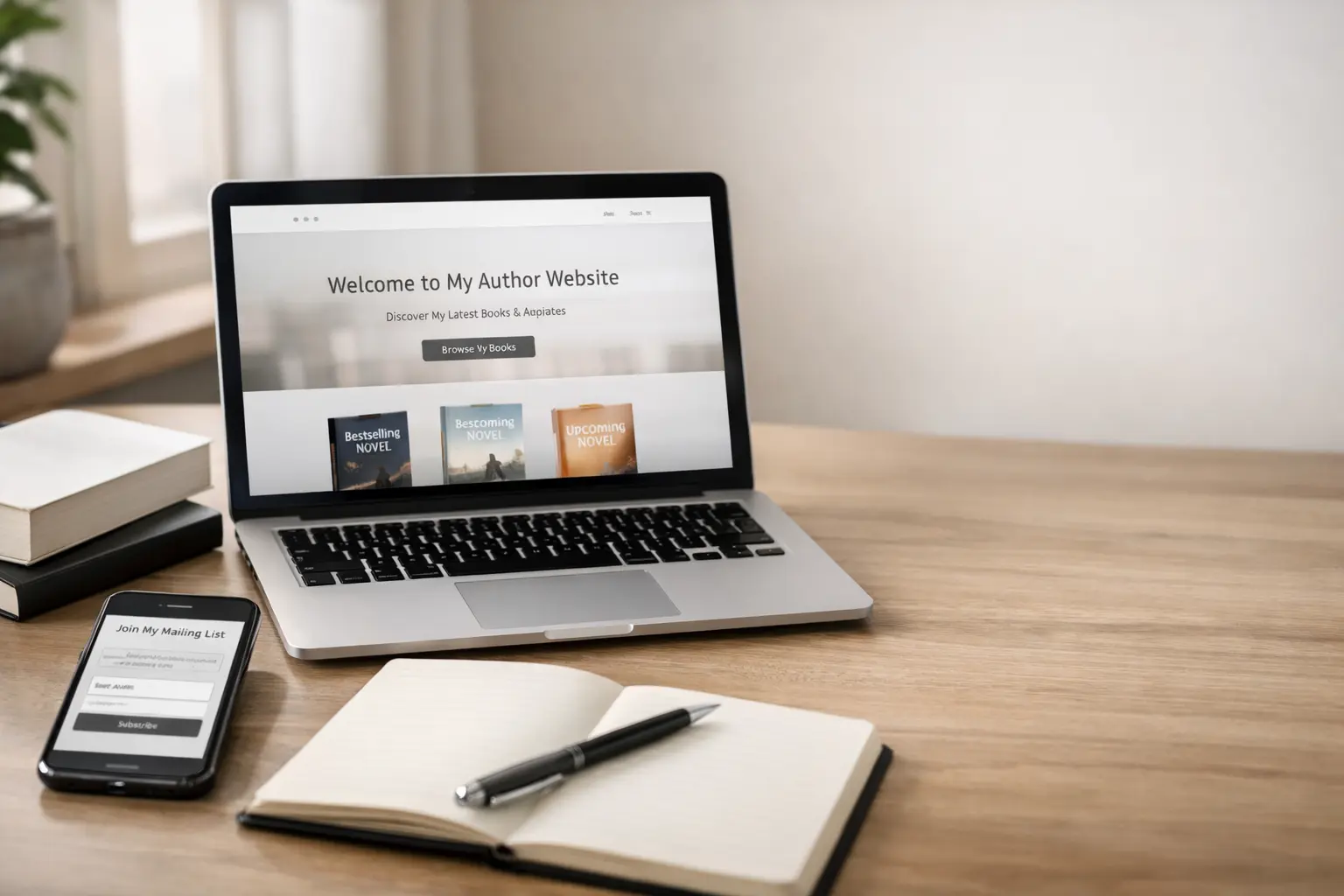
The short answer is yes, you definitely need to have your own website.
If you write books and want readers to find you reliably, you need a website you control. Social platforms can help you get discovered, but they are not a stable home for your author brand, your book catalog, your email list, or your long term marketing.
A Website Is Your Owned Hub
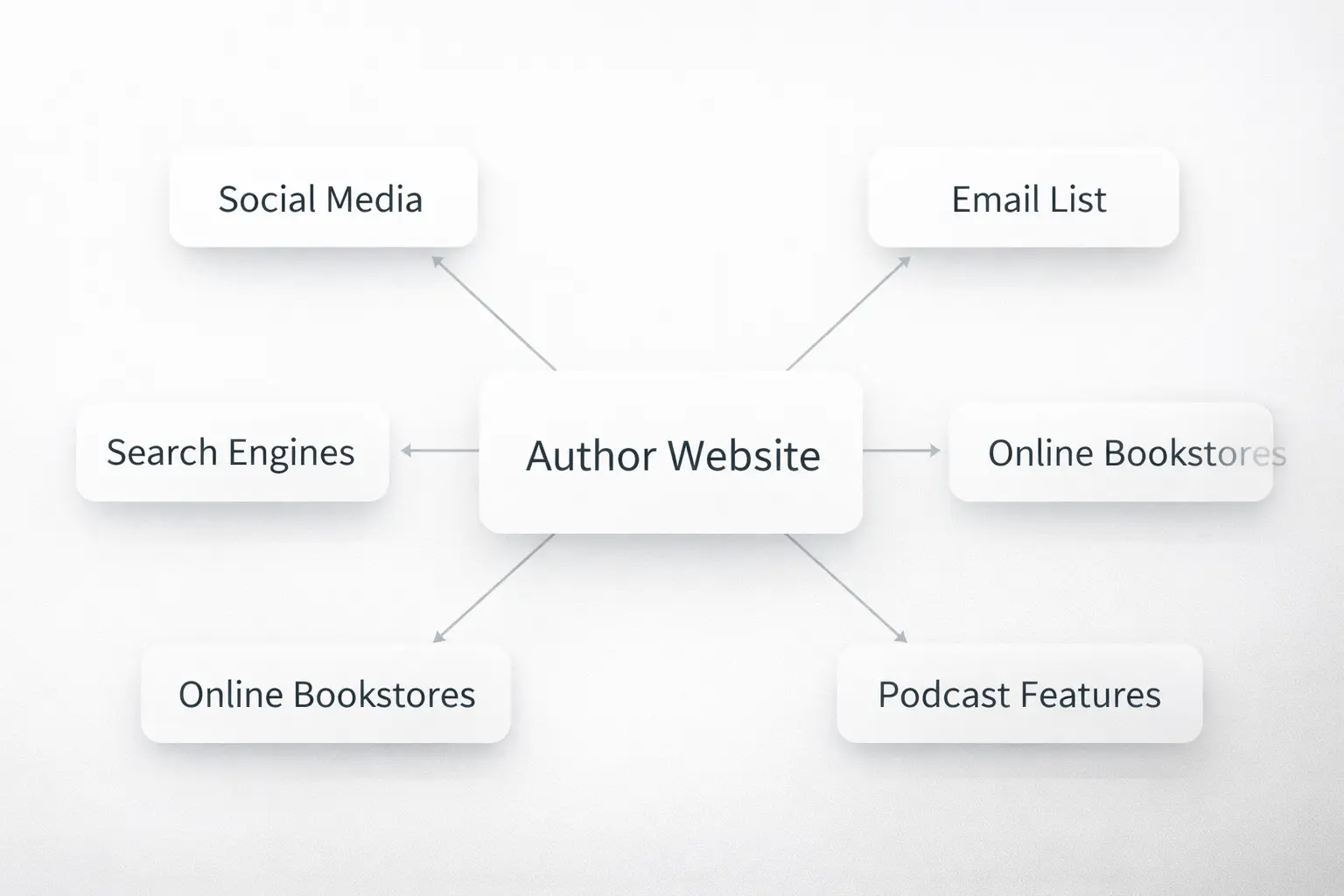
Social media is rented attention. Algorithms change. Accounts get restricted. Platforms lose popularity. A website, tied to a domain you own, is the one online asset you can keep for years while everything else shifts.
With your own site, you control:
- What appears first
- Which books to highlight
- How you present your bio
- Where you send readers next
- How you collect email subscribers
In 2026, ownership matters even more because discoverability is fragmented. Readers might find you through Amazon, Goodreads, TikTok, podcasts, newsletters, or Google search. Your website is where all of those paths should lead.
Search Still Drives Discovery, But Quality Standards Are Higher
A website gives you visibility through search engines, but only if it is genuinely useful. Google’s systems prioritize helpful, people first content, not pages created just to rank.
There are two practical implications for authors:
1. Answer Real Reader Questions Quickly
Your site should clearly provide:
- Reading order
- Series list
- Where to start
- Tropes or themes
- Content notes if relevant
- Direct buying links
When readers land on your site, they should not have to search for basic information.
2. Fresh Content Is Not a Shortcut
Publishing content just to appear active can backfire if it is thin or repetitive. Quality matters more than frequency.
What works in 2026 is:
- Publishing when you have something meaningful to share
- Updating important pages regularly
- Keeping navigation simple and clear
Search visibility is a byproduct of usefulness, not volume.
Readers Visit Author Websites for Specific Reasons
Many authors overthink design and underthink function. Reader intent is usually straightforward. They want to:
- Confirm who you are
- See what you have written
- Know what to read next
- Find out where to buy
Research cited in publishing industry discussions consistently shows that visitors look for practical details such as events, exclusive content, and organized book listings. While exact percentages vary by audience, the pattern is consistent: readers want clear, structured, actionable information.
Your website should reduce confusion, not create it.
A Professional Website Strengthens Your Credibility
When someone searches your name, your website should be the most authoritative result.
A clean, updated site signals that you are:
- Active
- Professional
- Reachable
- Serious about your writing career
It also reduces friction for opportunities such as interviews, bookstore events, speaking engagements, or collaborations. Instead of sending multiple links, you provide one professional destination.
Your website becomes your reputation anchor.
What to Include on Your Author Website
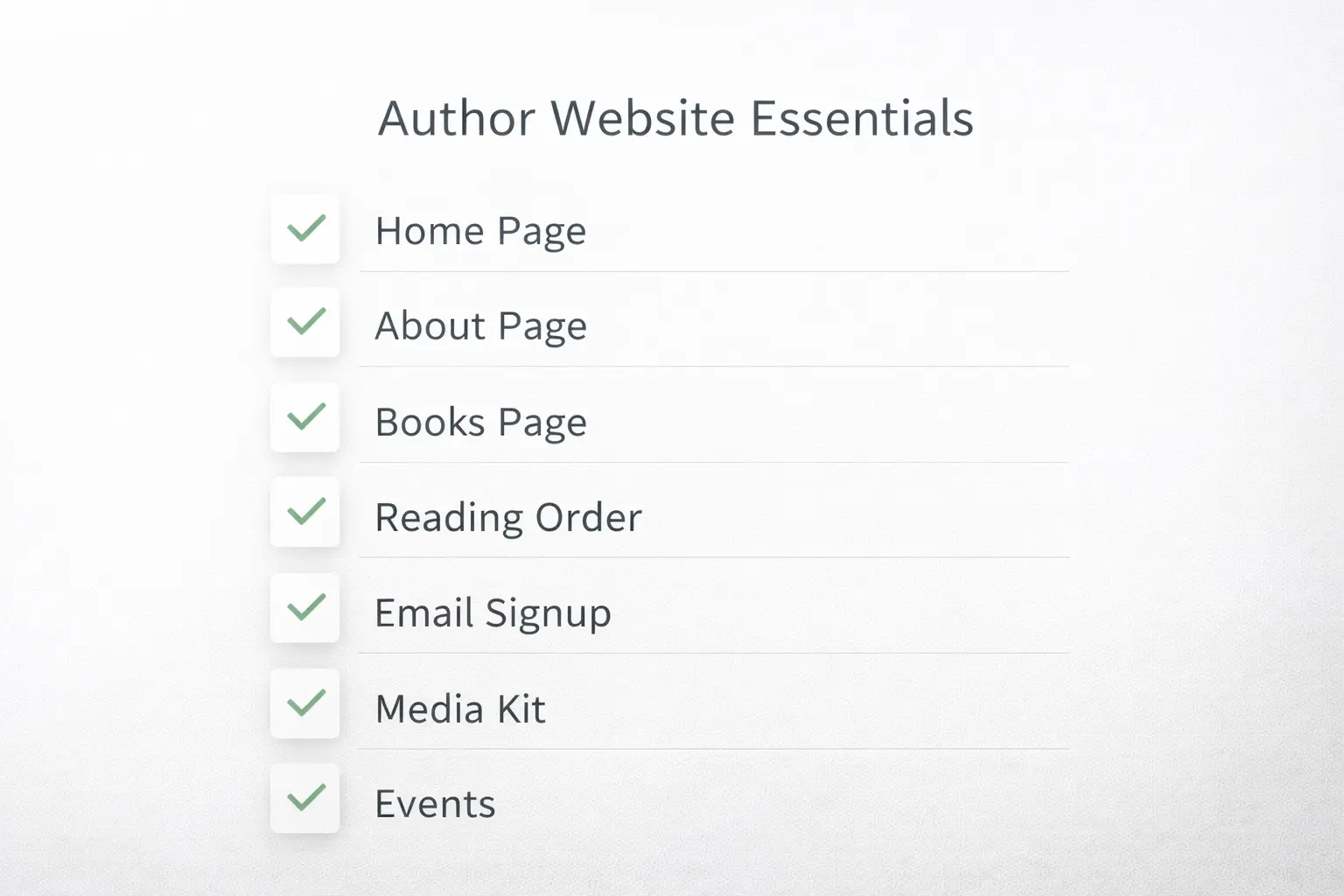
You do not need dozens of pages. You need the right pages, written clearly and intentionally.
Home Page
State what you write, who your books are for, and where a new reader should start. Include one strong call to action such as:
- Join your email list
- Download a free sample
- View your books
Your home page should immediately answer the question: Why should I read you?
About Page
Keep it concise and specific. Include:
- A professional author photo
- A short bio
- A longer media bio if relevant
- A clear contact method
Make it easy for readers and media professionals to understand who you are.
Books Page
This page is non negotiable.
List every title with:
- Cover image
- Description
- Series information
- Reading order
- Retailer links
If you write in series, include a visible Start Here section to guide new readers.
Series or Reading Order Page
If your books connect in any way, create a dedicated reading order page. This reduces reader drop off and increases backlist sales by removing confusion.
Clarity directly supports revenue.
Email List Signup
Email remains the most direct way to communicate with readers because you are not dependent on social algorithms.
Place signup forms:
- In the header or footer
- On the home page
- At the end of book pages
Your email list is your long term relationship asset.
Events or Appearances
If you participate in signings, festivals, school visits, or virtual events, include a simple calendar or list.
This page supports visibility and makes collaboration easier.
Media Kit
Include:
- Author bio
- High resolution cover images
- Author headshot
- Book blurbs
- A short pitch
Make it easy for someone else to feature you without repeated emails. Professional convenience increases opportunities.
Blog or Updates Section (Optional)
A blog is optional, not mandatory.
Only include one if you can keep it useful. Strong blog content may include:
- Behind the scenes insights
- Research notes
- Reading guides
- Trope explanations
- Launch updates
The goal is value, not volume.
Privacy and Contact Basics
If you collect email addresses, include a privacy policy. Make your contact information easy to find.
Professional transparency builds trust.
Do You Need a Blog to Succeed?
No. Many successful authors do not blog regularly.
However, a blog can be valuable if it:
- Answers reader questions
- Builds trust and connection
- Creates reusable content for newsletters and media
If you cannot commit to meaningful updates, focus on strong evergreen pages instead:
- Start Here
- Books
- Reading Order
- Email Signup
Depth is more important than frequency.
Cost and Setup in 2026
Launching a professional author website does not require a large budget.
The simplest approach:
- Register a domain name you plan to keep long term.
- Use a reputable website builder or content management system.
- Choose a clean template and customize it with your covers and brand voice.
The best platform is not the most advanced one. It is the one you will actually maintain.
Consistency matters more than complexity.
A Simple Maintenance Routine
To keep your website effective:
- Update your books page when preorders go live
- Check retailer links monthly
- Refresh your bio once or twice per year
- Test your email signup forms regularly
- Archive outdated announcements
Maintenance does not take long, but it protects your professionalism.
Conclusion
In 2026, an author website is not optional if you care about discoverability, credibility, and control.
It is your central hub.
It is your professional foundation.
It is your long term marketing asset.
Social media can amplify your visibility, but your website is where your author brand should live.